Challenging, but not extreme
A self-guided offroad route built for adventure riders with basic offroad ability, physical fitness and a suitable motorcycle.
What level should you expect?
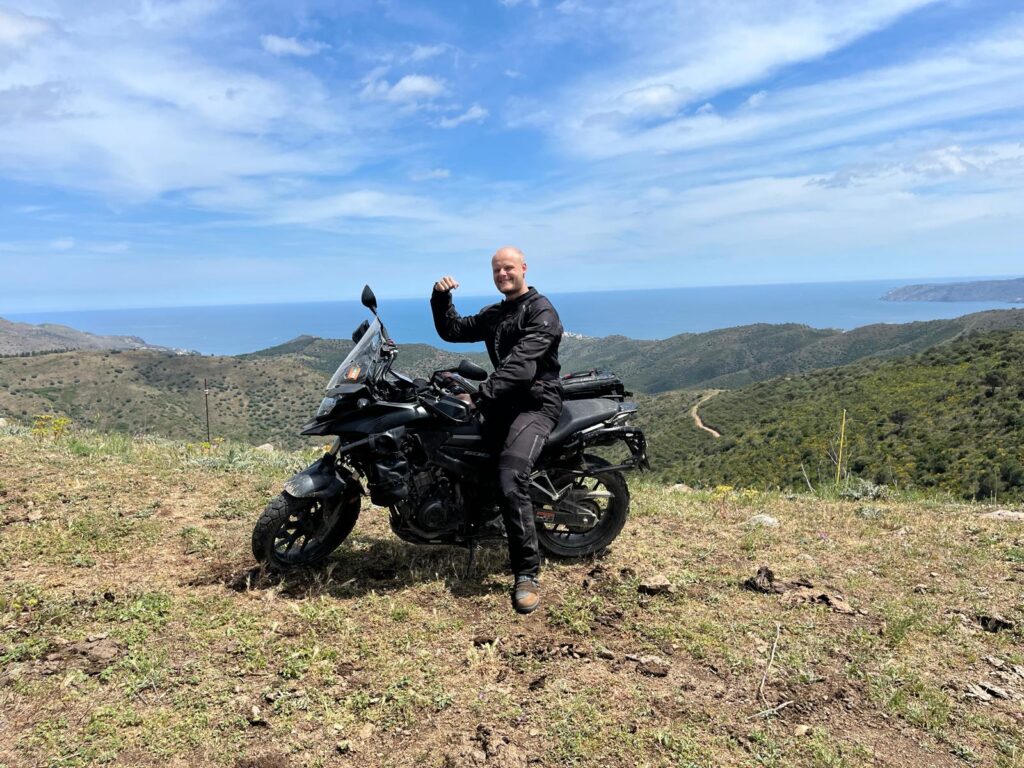
PyrAscend is designed for adventure riders with basic offroad experience. The route is not built as a hard enduro track or rally stage, but it is also not a simple scenic road trip. Riders should be comfortable with gravel roads, loose stones, uneven terrain and longer riding days in mountain conditions.
The difficulty comes from the combination of terrain, elevation and fatigue. A single section may be manageable on its own, but multiple riding stages, changing surfaces and repeated climbs or descents make the route physically and mentally demanding.
Riders need to be able to control their motorcycle while standing, choose lines on loose terrain and stay focused when conditions change. Weather, recent rainfall, fallen branches, mud, erosion or local access restrictions can make certain sections harder than expected.
The route is best described as an intermediate adventure route with several more technical sections. It is suitable for prepared riders with a capable motorcycle, proper gear and a realistic understanding of self-guided offroad riding.
What makes the route demanding?
The route difficulty is not defined by one single factor. It comes from the combination of terrain, elevation, physical demand and self-guided navigation.
Terrain
Gravel roads, dirt tracks, loose stones and rocky sections create a varied offroad surface that requires control and attention.
Physical Demand
Standing riding, balance, fatigue management and control are important during longer or rougher sections.
Problem Solving
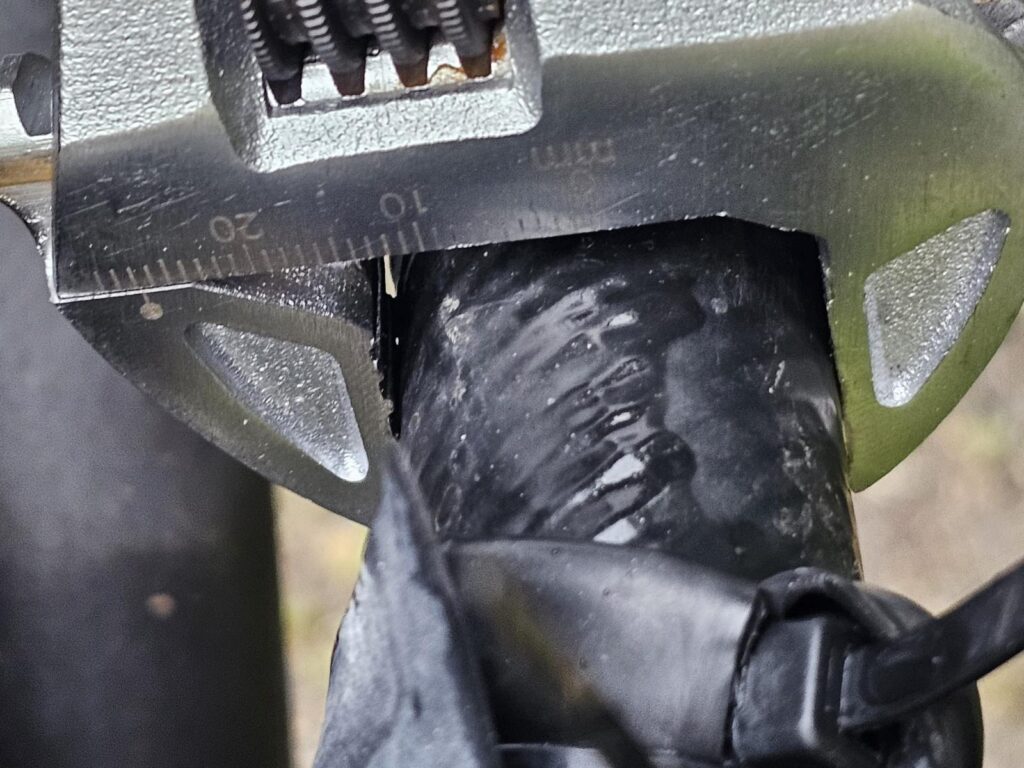
Because the route is self-guided, riders should be prepared to handle small issues themselves, such as flat tires, loose luggage, minor mechanical problems or route detours.
Elevation
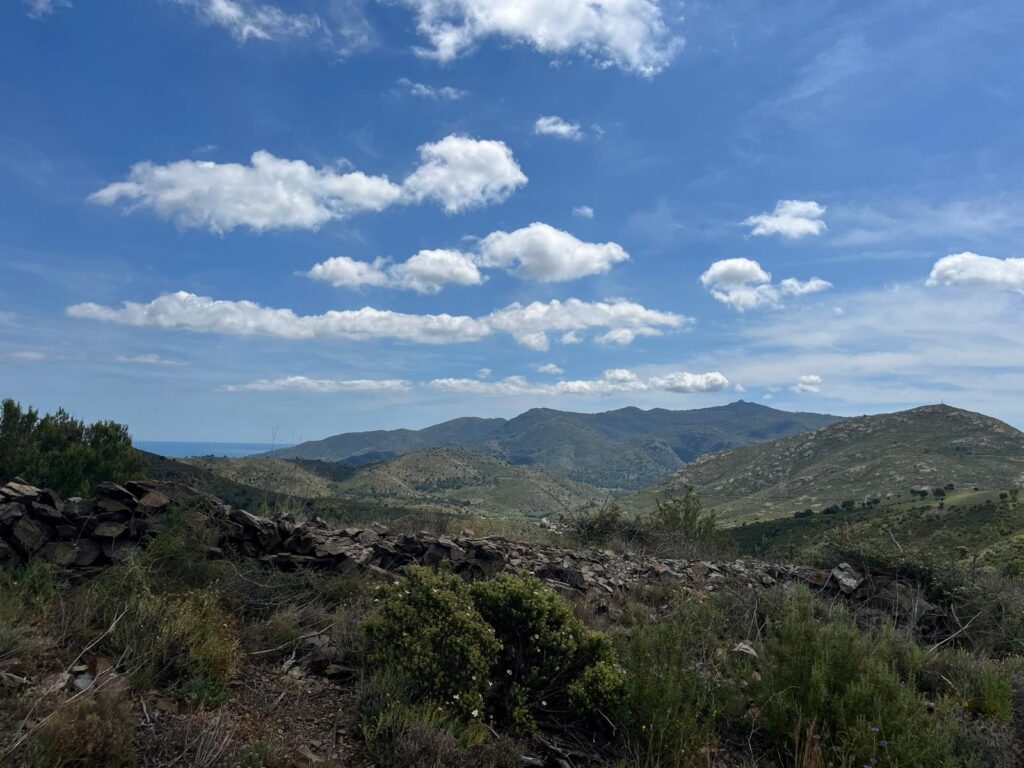
Mountain terrain means climbs, descents, changing grip and longer physical effort throughout the day.
Navigation
The route is self-guided with GPX navigation, so riders must stay aware of the track, terrain and local conditions.
Terrain You Can Expect
The route includes different types of offroad terrain. Conditions can change depending on weather, season and recent use.
Gravel Trails
Fast-flowing gravel sections with changing grip, open lines and varying surface quality. These parts can feel accessible, but speed, braking and cornering still require attention, especially on loose or dusty sections.
Muddy Trails
Mud can appear after rainfall, in shaded forest areas or on lower sections where water stays longer. Grip becomes less predictable, so riders need to manage balance, momentum and braking more carefully.
River Crossings
Some sections include shallow water crossings or wet trail passages. Riders should assess the depth, surface, current and exit point before crossing, instead of blindly following the GPX line.
Loose Rock Trails
Rocky terrain with loose stones, uneven surfaces and slower line choice. These sections are more technical because the front wheel can deflect easily, making steady throttle control and body position more important.
Sandy Trails
Soft sandy sections require relaxed steering, steady throttle and confidence on unstable ground. On heavier adventure bikes, these parts can become physically demanding because the bike moves more underneath the rider.
Snow & Seasonal Obstacles
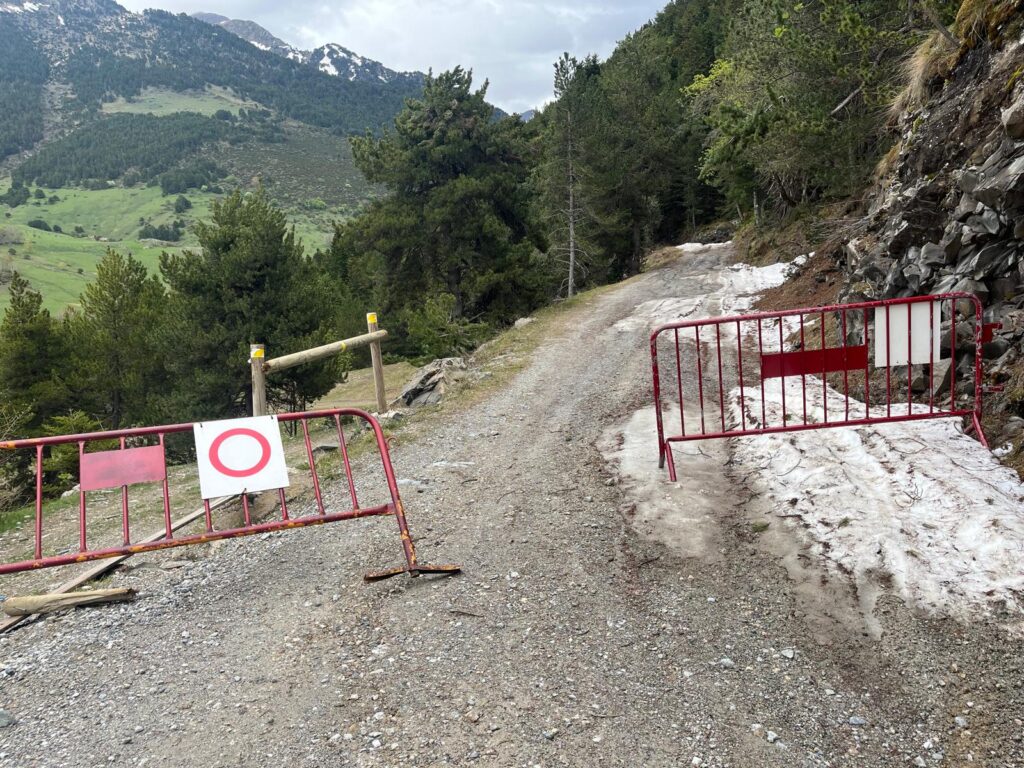
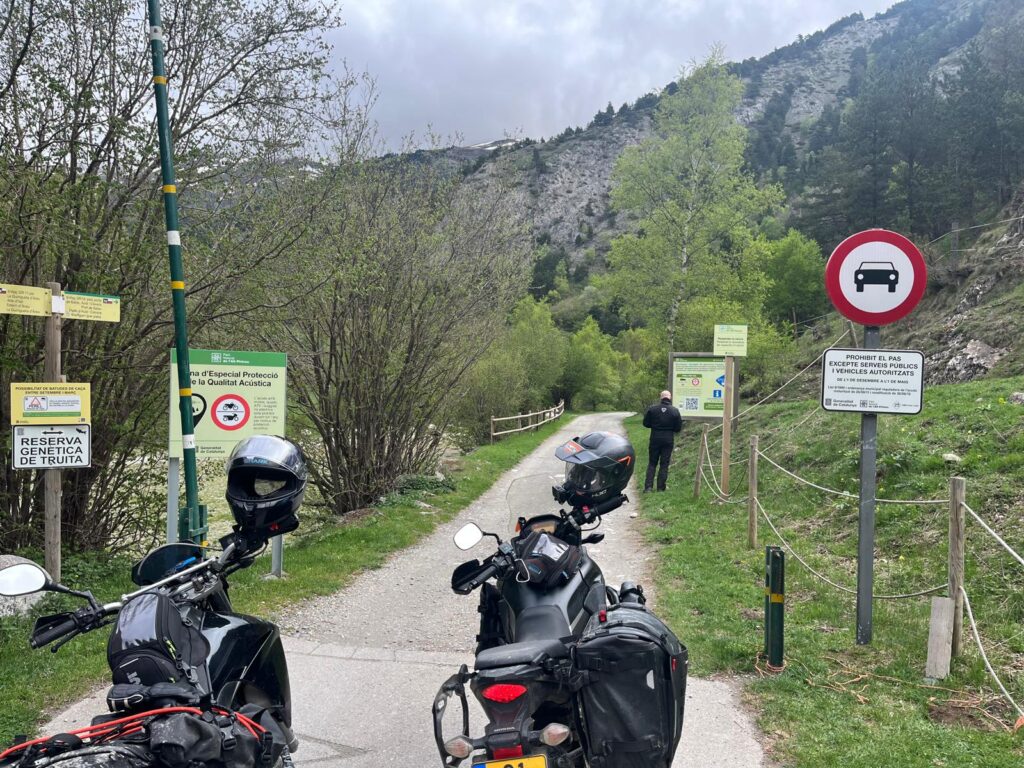
At higher elevations, snow, fallen branches, erosion or blocked trails may appear depending on season and weather. These situations can change the difficulty immediately, so riders should be prepared to stop, turn around or choose an alternative route.
Adventure requires responsibility
Although most route sections are tested and reviewed by PyrAscend, riders remain responsible for their own safety, navigation decisions and preparation. A tested GPX track does not guarantee that every section is suitable, legal or accessible at every moment.
Weather, surface conditions, snow, landslides, fallen trees, signs, barriers or local restrictions can change the route situation. Riders must always respect local laws, private land and access limitations. If a section does not feel safe or legal, the correct decision is to turn around and choose an alternative.
Prepare Before You Ride
Before starting the route, make sure your motorcycle, riding gear, navigation setup and personal documents are ready for self-guided offroad travel.