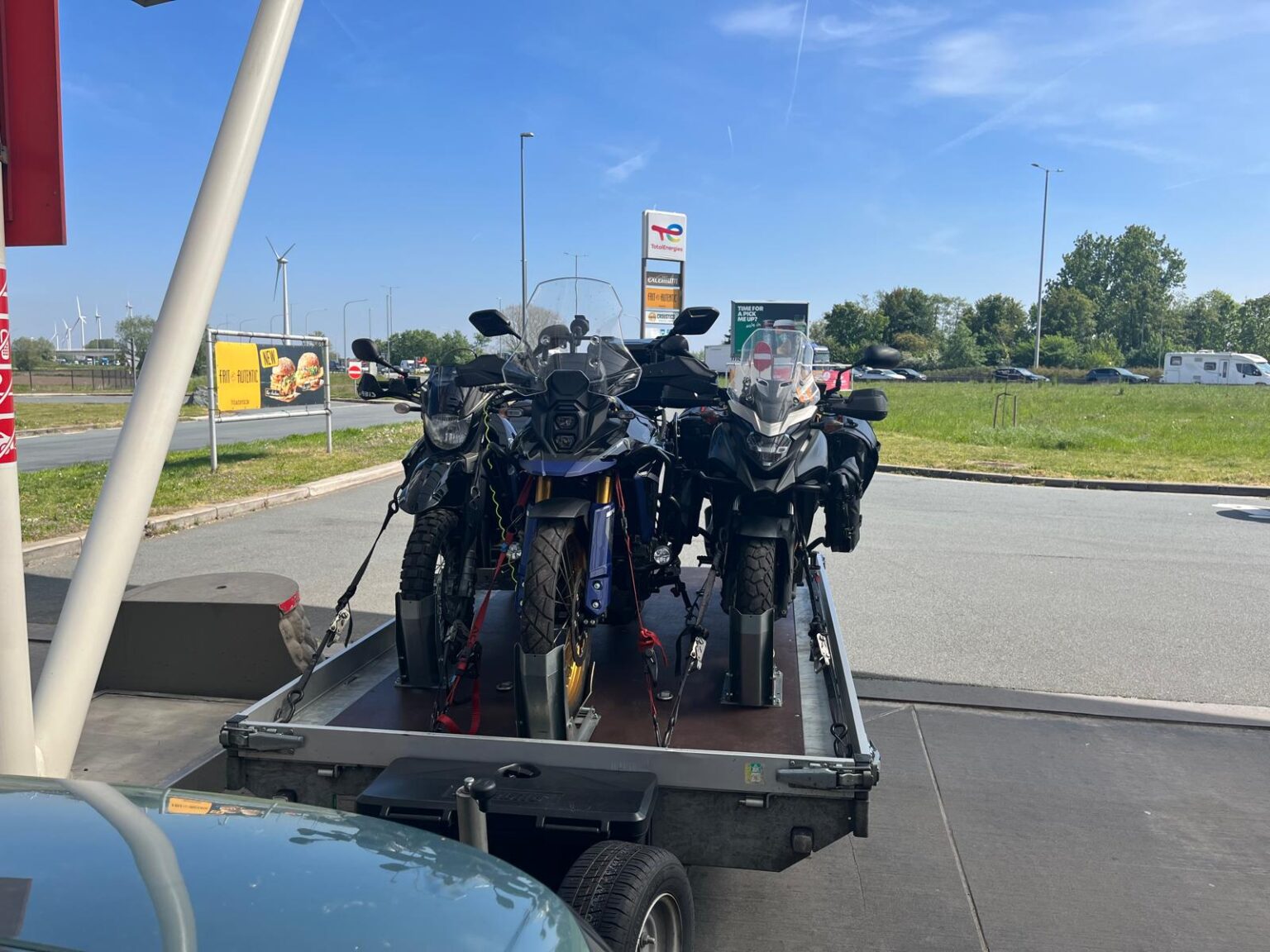
Riding Gear & Weather Preparation
The Pyrenees can shift from warm valleys to cold mountain sections, rain, wind and rough offroad terrain. Proper gear keeps the ride safer and more manageable.
Gear for changing conditions
Riding the PyrAscend route requires gear that protects you during offroad sections while still being practical for long riding days. The route includes gravel, loose rocks, climbs, descents, possible mud and changing mountain weather.
Good gear is not only about comfort. It affects safety, fatigue, focus and how well you can handle difficult terrain. Riders should prepare for both physical protection and weather changes before starting the route.
Key Gear Requirements
The items below are the most important parts of your riding setup. They help protect the rider, manage changing weather and reduce fatigue during long offroad stages.
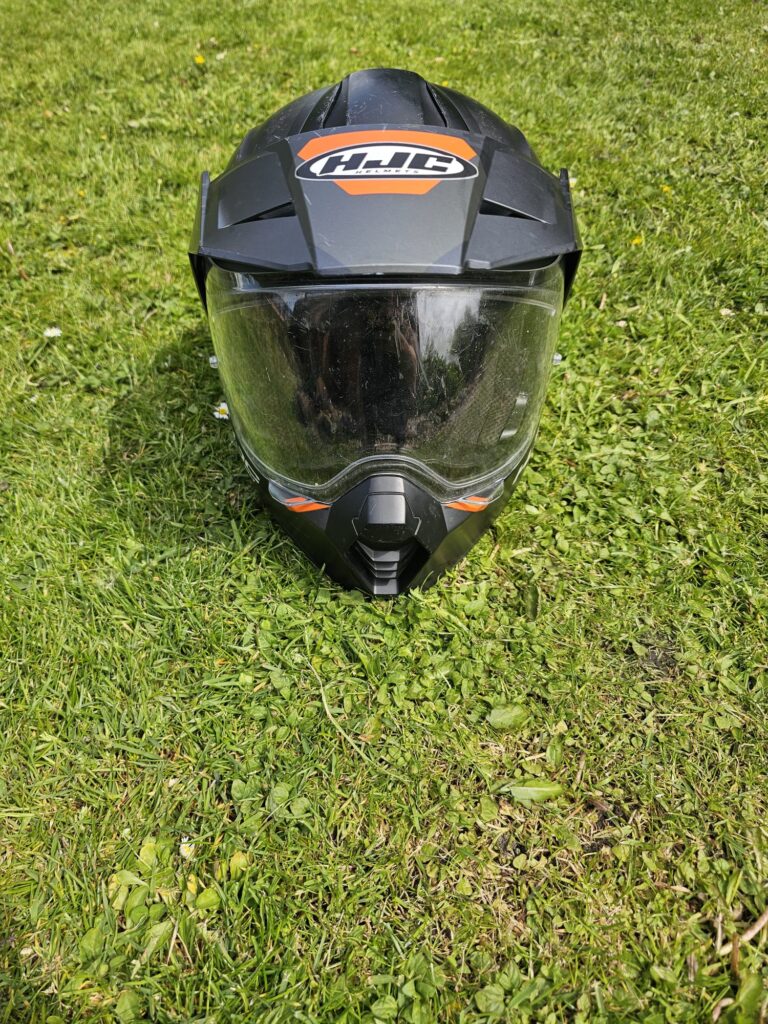
Adventure or Offroad Helmet
Good visibility, ventilation and offroad suitability are important for longer riding days.
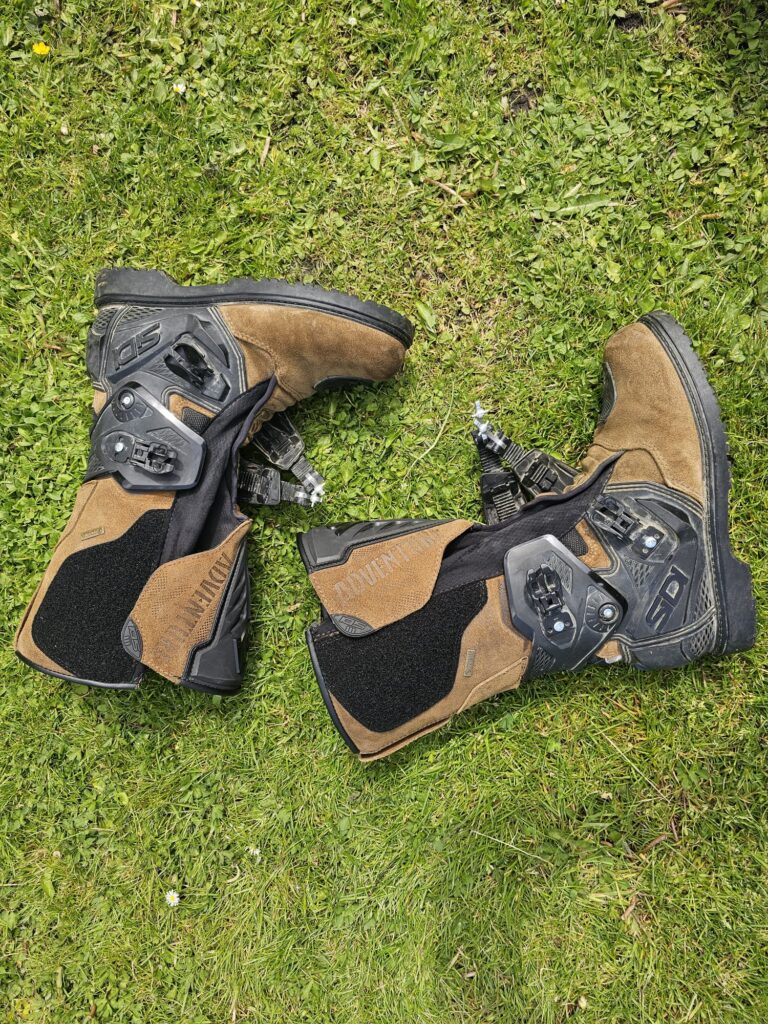
Offroad or Adventure Boots
Strong boots protect your ankles, shins and feet on rough terrain.
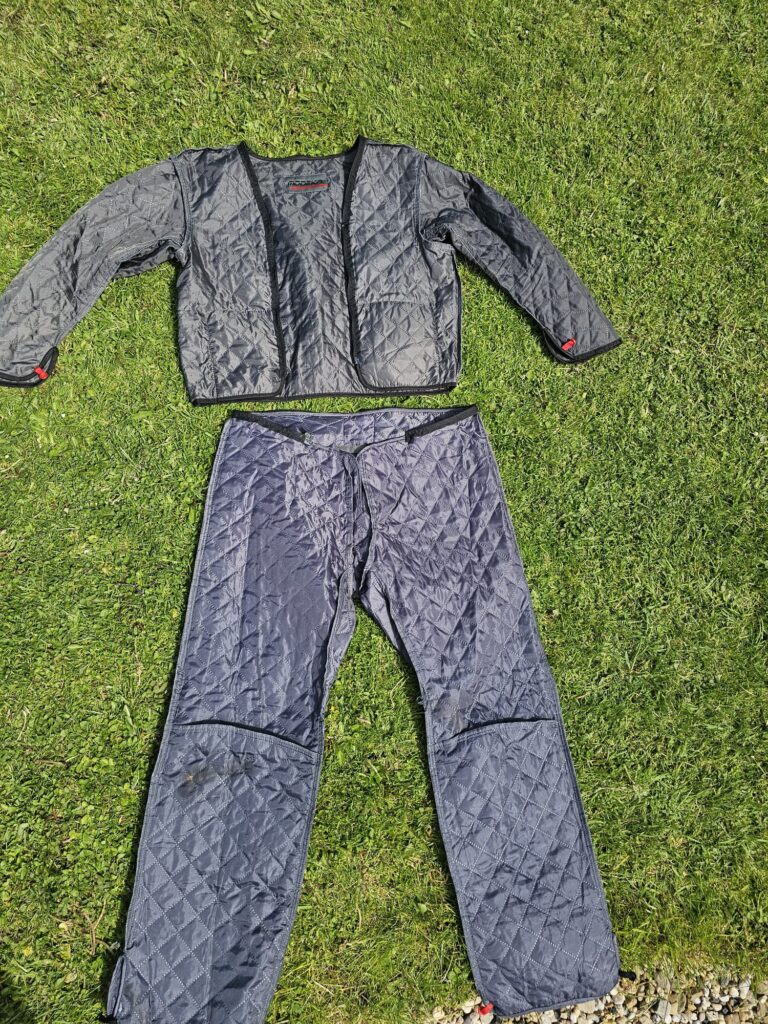
Weather Layers
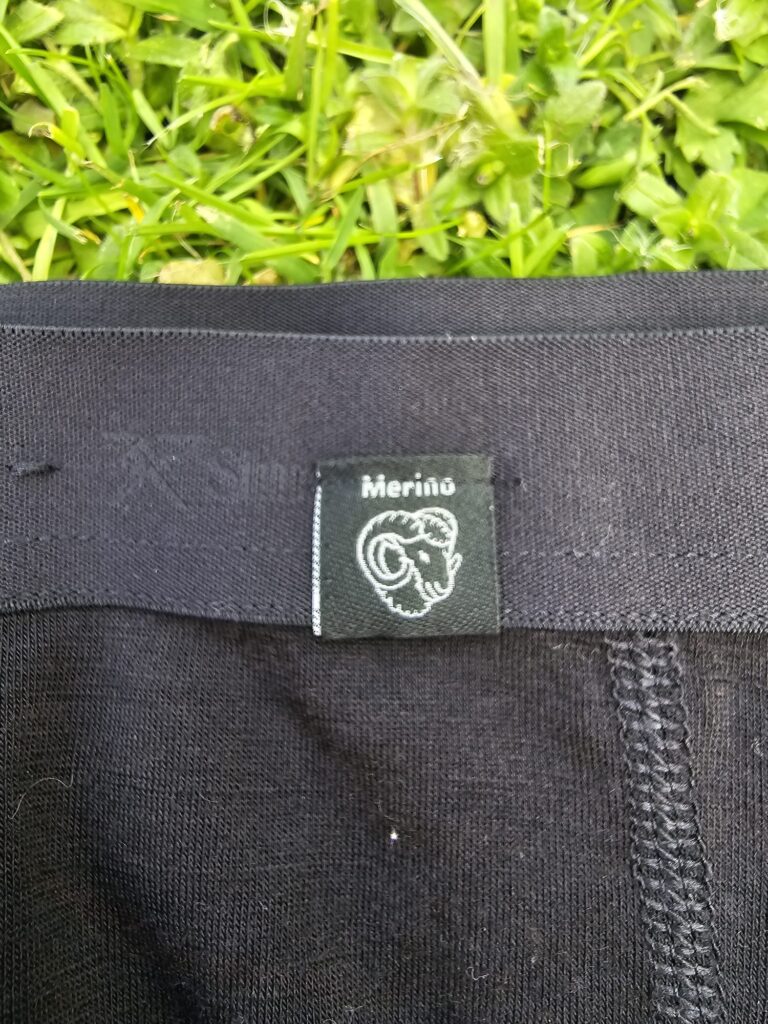
Carry rain protection, a warm layer and breathable clothing. Fully merino wool is recommended for temperature control and reduced odour.
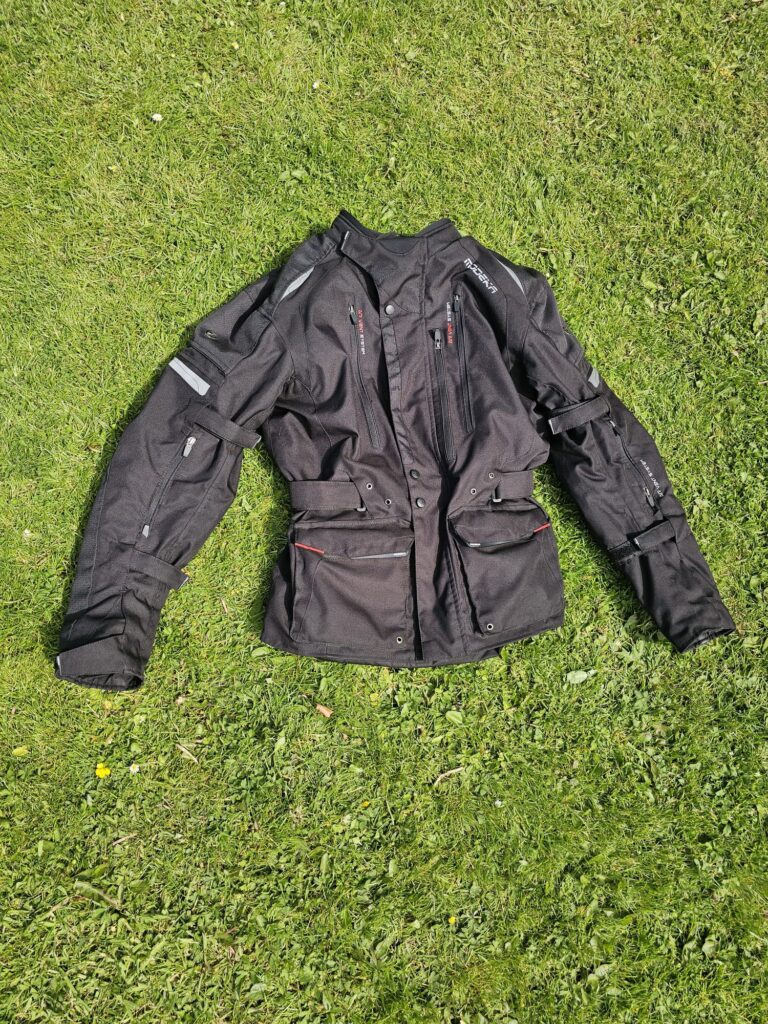
Protective Jacket & Pants
Use protective riding clothing with abrasion resistance and CE impact protection.
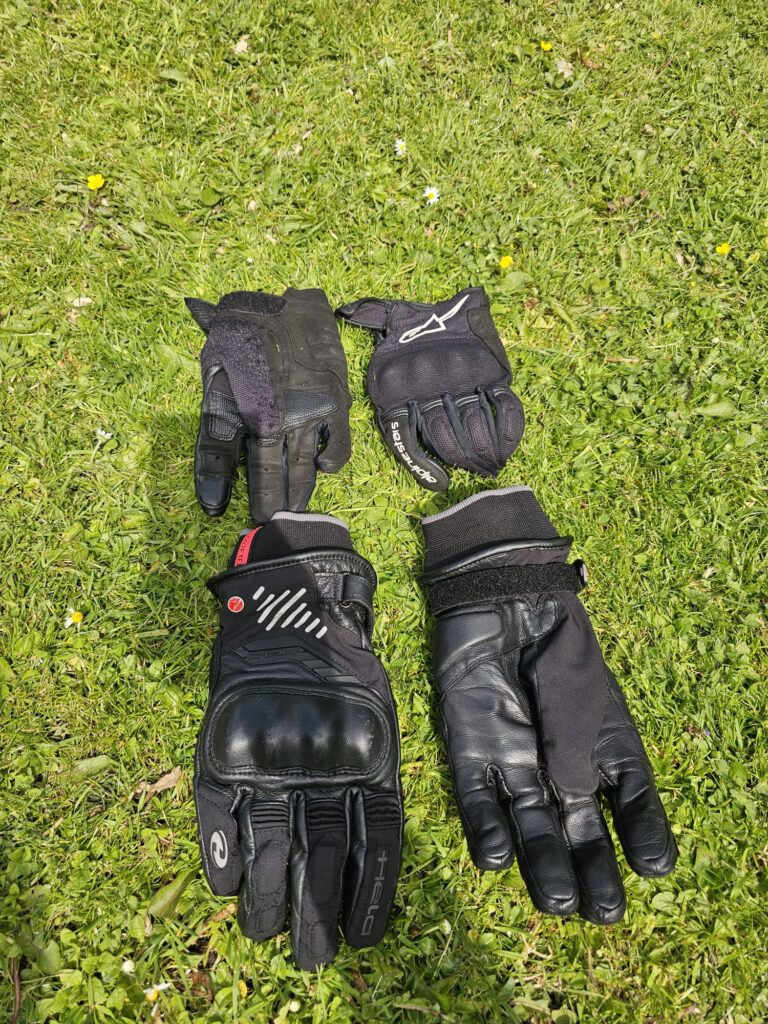
Gloves
Gloves should protect your hands while keeping good throttle and brake control.
Hydration & Comfort
Hydration, visor options and comfortable base layers help reduce fatigue.
Weather in the Mountains
The Pyrenees can change quickly in temperature, visibility and surface conditions. A warm start in the valley can turn into wind, rain or cold conditions at higher elevation, so riders should be prepared for different weather situations within the same day.
Lower areas can become warm during longer riding stages, making ventilation and hydration important. Higher mountain sections can feel much colder, especially with wind or changing cloud cover, so a warm layer should always be available.
Rain can quickly turn trails muddy and reduce grip, while strong sun exposure at elevation can affect focus and fatigue. Waterproof layers, visor options, sunglasses and enough water help riders stay prepared when conditions change.
Pre-Ride Gear Checklist
Checklist A, Protective Gear
- Adventure or offroad helmet
- Protective jacket
- Protective pants
- Back protector
- Knee and hip protection
- Offroad or adventure boots
- Summer riding gloves
- Waterproof warmer gloves
Checklist B, Weather & Comfort
- Rain layer
- Merino wool breathable base layer
- Merino wool extra socks
- Hydration system
- Sunglasses or tinted visor
- Clear visor or goggles
- Neck tube or merino wool buff
Prepare your overnight setup next
After checking your riding gear, prepare your camping and sleeping equipment for the multi-day route.