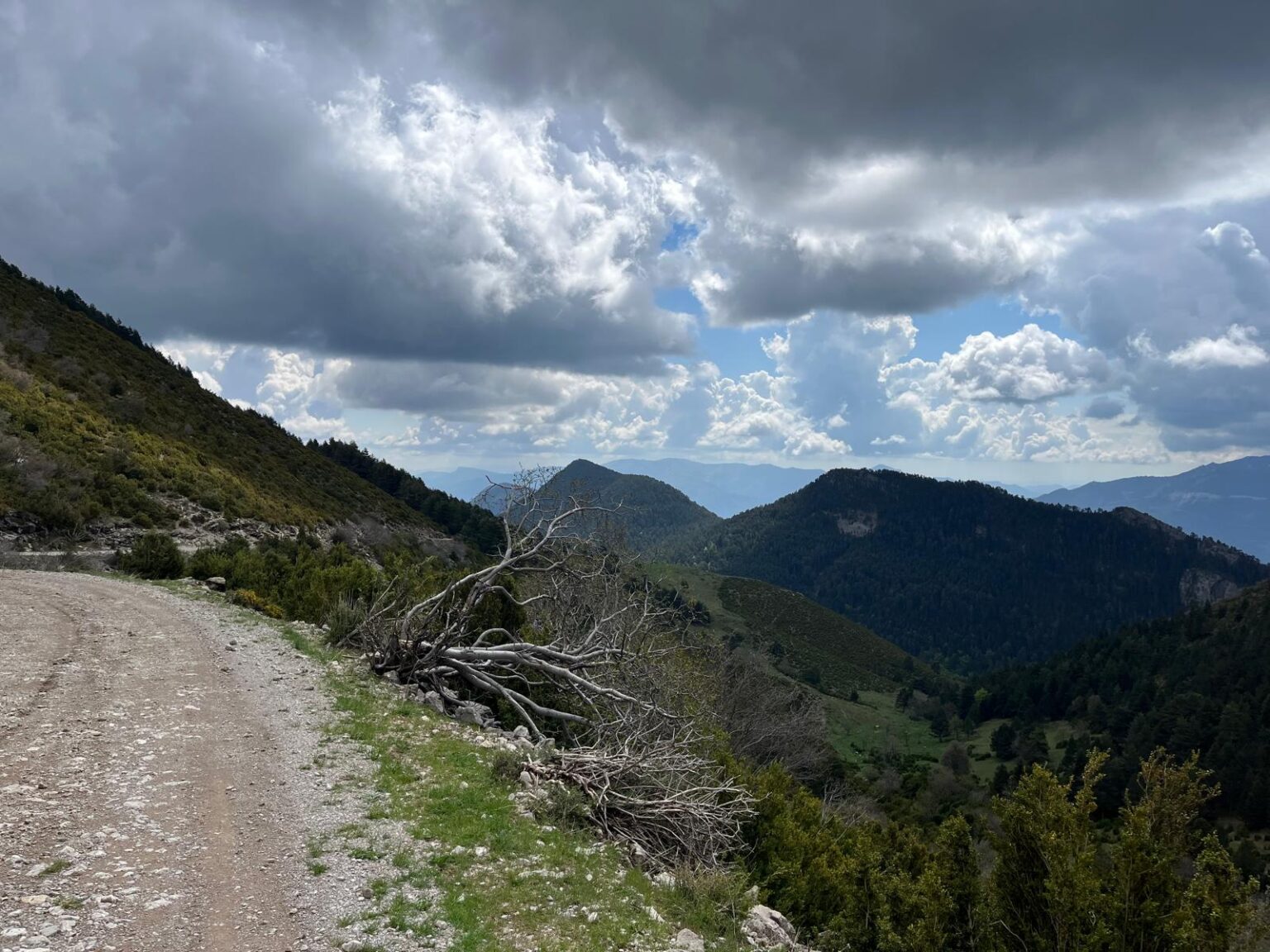
Camping & Sleeping Equipment
Sleeping gear is optional on the PyrAscend route, but a self-supportive setup gives riders more freedom, flexibility and adventure during the trip.
Flexible overnight options
The PyrAscend route includes information about the campsites we used during the expedition. These locations were selected because they fit the route structure and offer practical overnight options for riders.
Camping with your own tent is possible at several locations, but it is not the only option. Some campsites also offer alternatives such as bungalows, fixed tents, dorm-style rooms or hotel rooms. This means riders can choose between a more self-supportive camping setup or a lighter travel style with less sleeping equipment.
Bringing your own camping and sleeping gear is therefore optional. However, carrying a compact sleeping setup can make the route feel more adventurous and independent. It gives riders more flexibility, especially when plans change, weather conditions shift or accommodation availability is limited.
Key Camping & Sleeping Considerations
The items below are most relevant for riders who want to camp or travel as self-supportive as possible during the route.
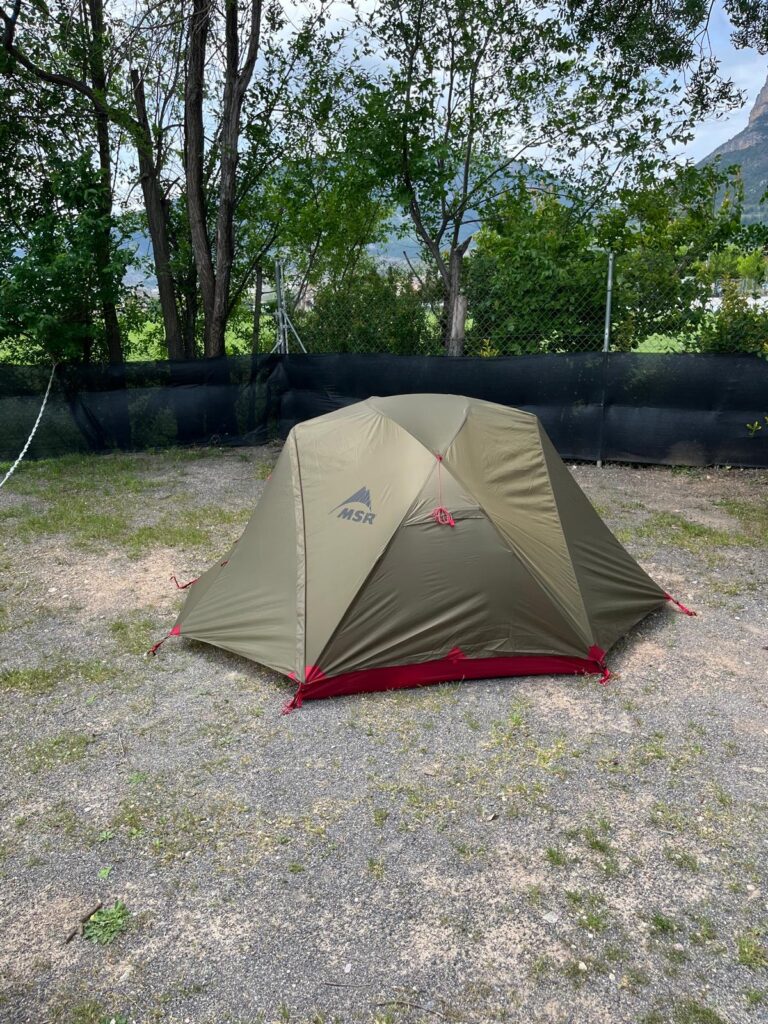
Compact Tent
Useful if you want to sleep on tent plots and keep your travel setup independent. Choose a compact tent that fits easily on the motorcycle.
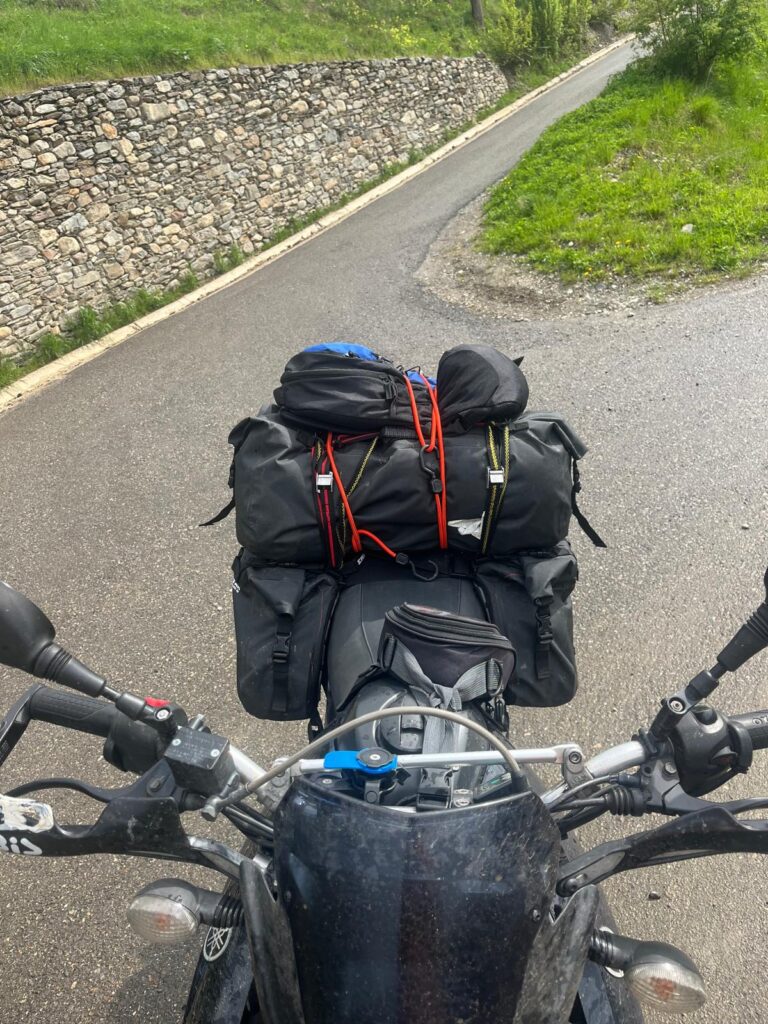
Sleeping Mat
A sleeping mat improves comfort and insulation when sleeping in a tent. It should be compact enough for motorcycle luggage.
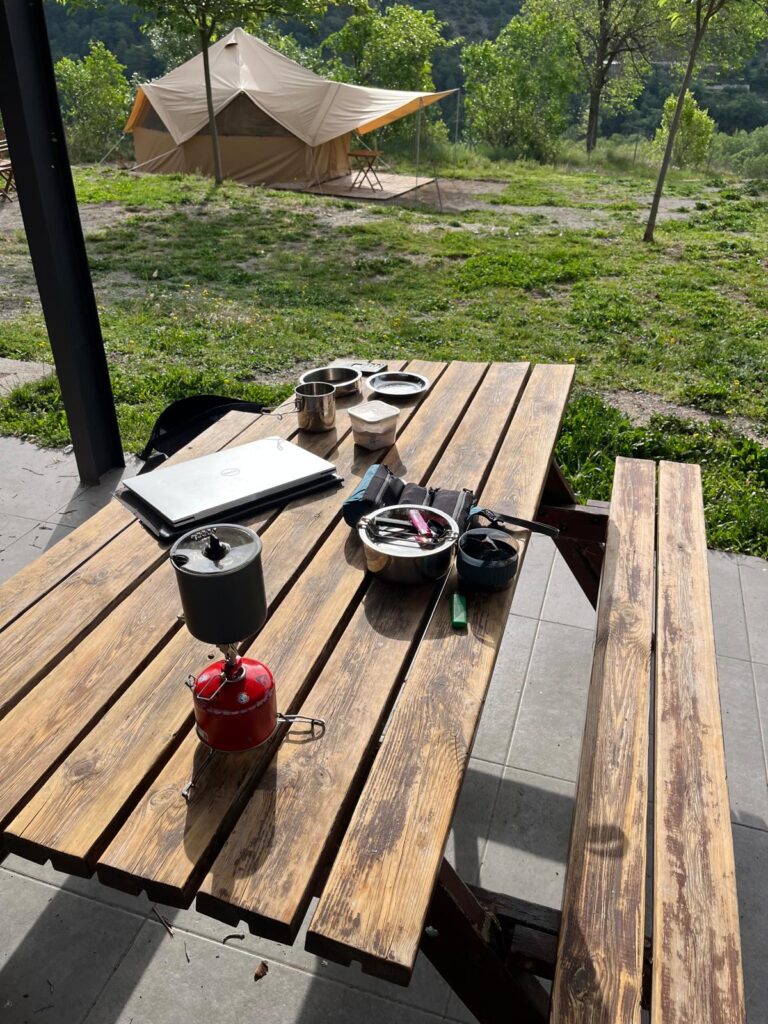
Camp Comfort
Small items such as a headlamp, towel or sitting mat can make camp life easier without taking much luggage space.
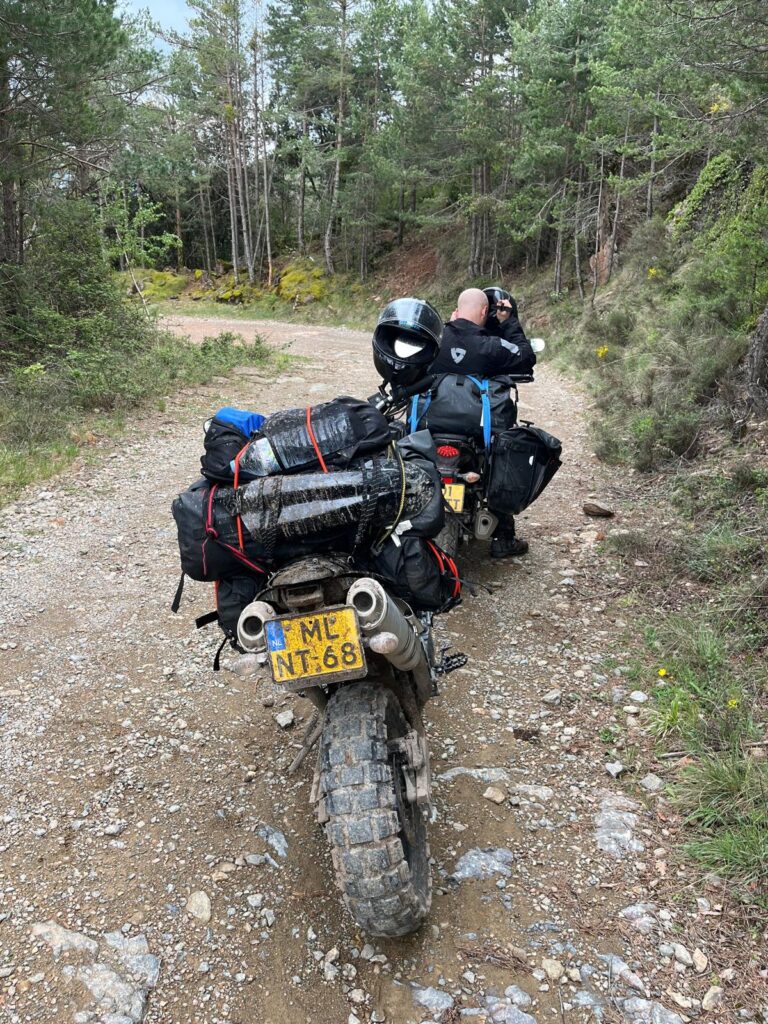
Sleeping Bag
A sleeping bag is only needed if you camp or use basic sleeping facilities. Choose one that matches the expected mountain temperatures.
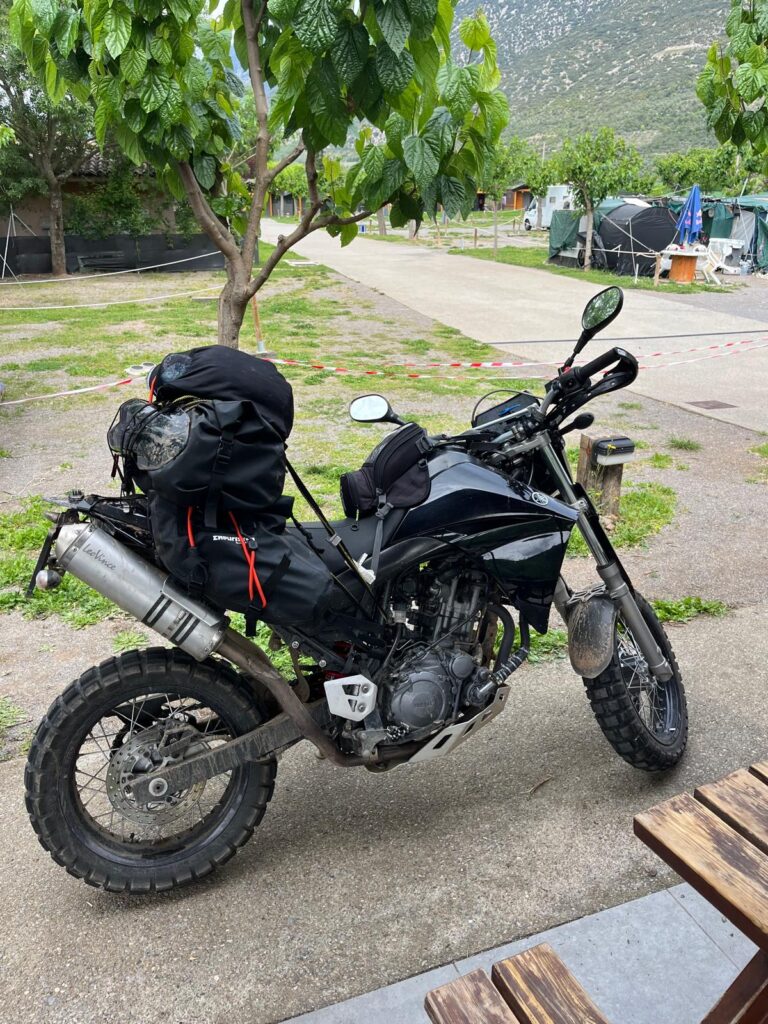
Dry Storage
Sleeping gear should stay dry during the route. Use waterproof bags or dry bags to protect clothing, sleeping bags and electronics.
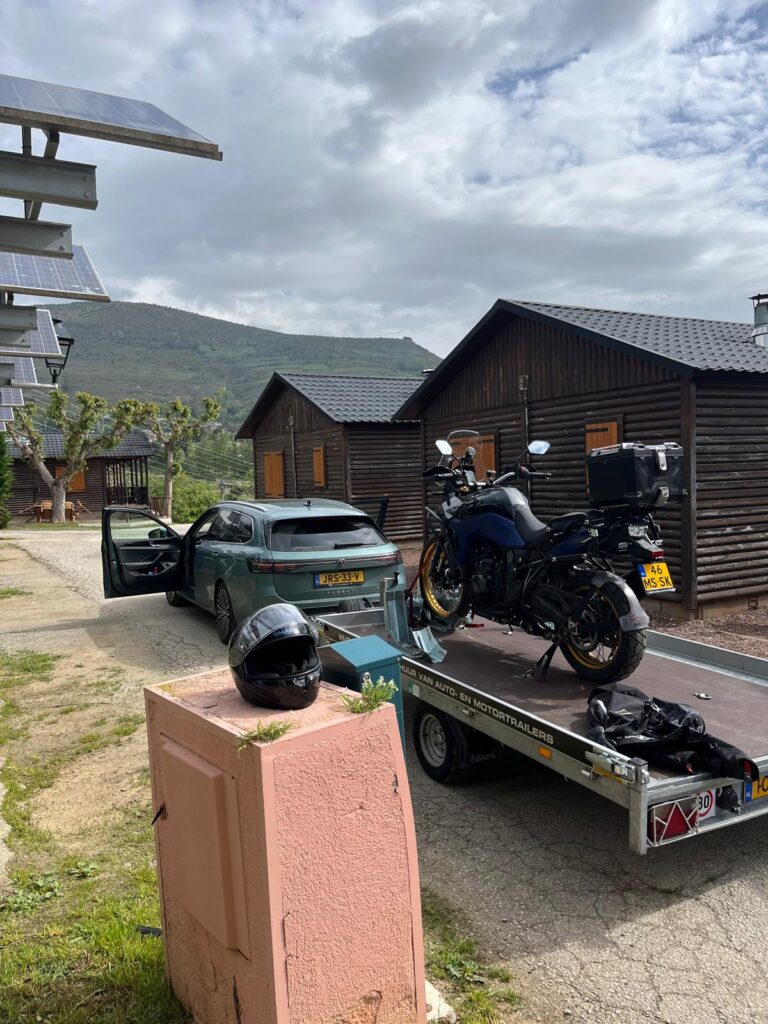
Accommodation Flexibility
Because some campsites offer bungalows, fixed tents or rooms, riders can reduce luggage if they prefer more comfort or less camping equipment.
Overnight Options
The PyrAscend route is not built around one fixed sleeping format. Each stage connects to campsites or overnight locations that can offer different options, such as tent plots, bungalows, fixed tents, dorm-style rooms or hotel rooms.
This gives riders flexibility. Some may choose to travel as light as possible and use available accommodation, while others may prefer to carry their own tent and sleeping gear for a more self-supportive experience.
Camping with your own setup is usually the most adventurous option, but it also requires more luggage, better packing and more preparation. Using bungalows or rooms can reduce gear volume and make the route more comfortable, especially during bad weather or after demanding riding stages.
Lower areas can become warm during longer riding stages, making ventilation and hydration important. Higher mountain sections can feel much colder, especially with wind or changing cloud cover, so a warm layer should always be available.
Rain can quickly turn trails muddy and reduce grip, while strong sun exposure at elevation can affect focus and fatigue. Waterproof layers, visor options, sunglasses and enough water help riders stay prepared when conditions change.
Pre-Ride Gear Checklist
Checklist A, Sleeping Setup
- Compact tent
- Sleeping bag
- Sleeping mat
- Pillow or compact alternative
- Dry bag for sleeping gear
- Warm sleeping layer
- Earplugs
- Small towel
Checklist B, Camp Essentials
- Headlamp or small light
- Powerbank
- Basic cooking setup
- Food for backup situations
- Water storage
- Trash bag
- Sitting mat or compact chair
- Personal hygiene items
Prepare your repair setup next
After choosing your overnight setup, check the tools and repair items needed for self-guided offroad riding.