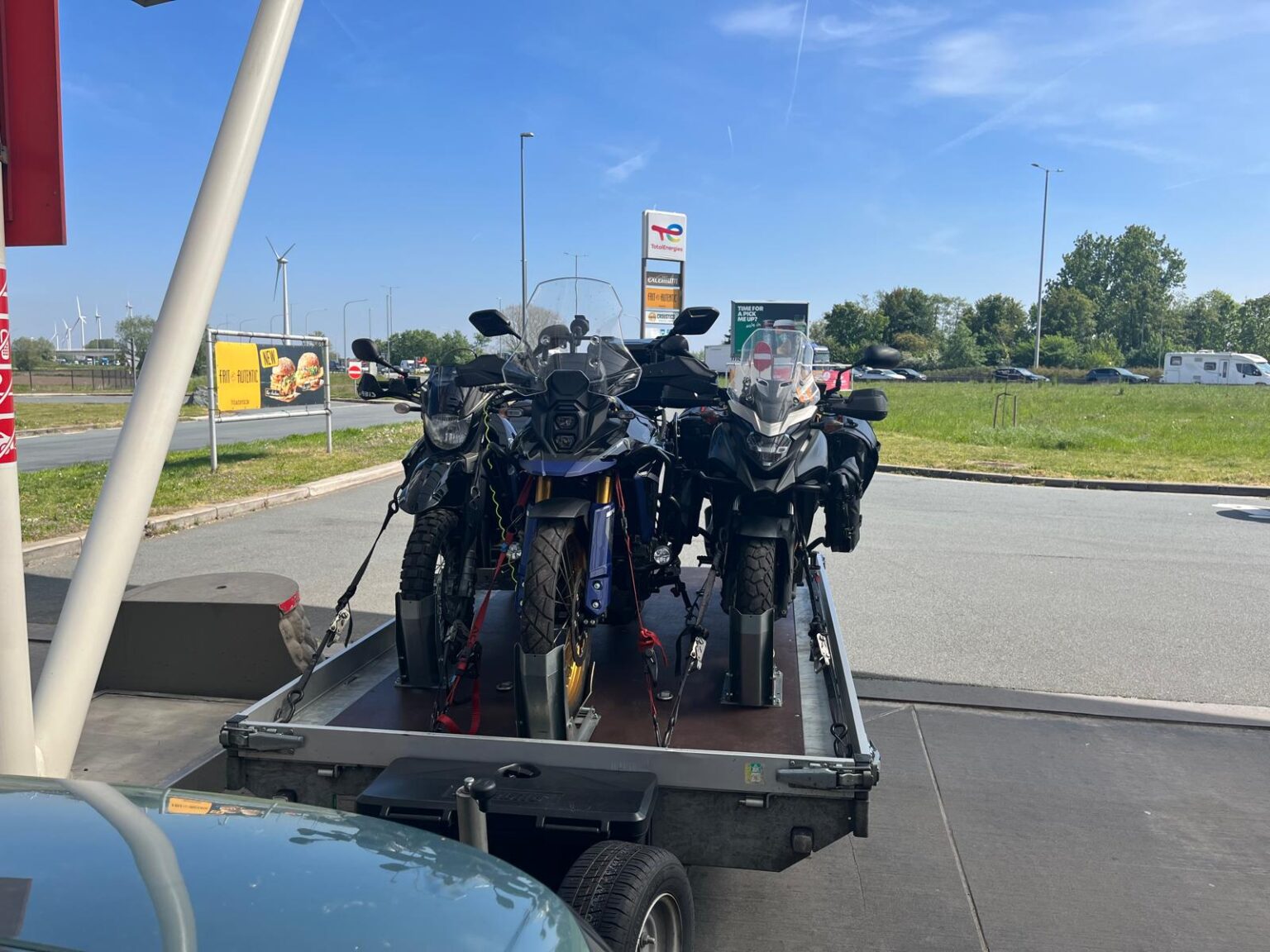
Luggage Systems
A good luggage setup keeps the motorcycle balanced, stable and practical during offroad riding.
Pack light, secure and balanced
Offroad luggage is not only about storage space. It directly affects how the motorcycle handles on gravel, rocks, climbs and technical terrain. Poorly mounted or overloaded luggage can make the bike unstable and harder to control.
For the PyrAscend route, a soft luggage setup is recommended. Soft bags are usually lighter, safer during falls and more suitable for offroad terrain than hard cases. The goal is to carry what you need without turning the motorcycle into an overloaded touring setup.
The goal is not to carry a full workshop on the motorcycle, but to bring the essential tools and repair items needed to continue safely after common trail problems.
Good gear is not only about comfort. It affects safety, fatigue, focus and how well you can handle difficult terrain. Riders should prepare for both physical protection and weather changes before starting the route.
Key Luggage Requirements
The items below are the most important points when choosing and mounting luggage for a self-guided offroad route.
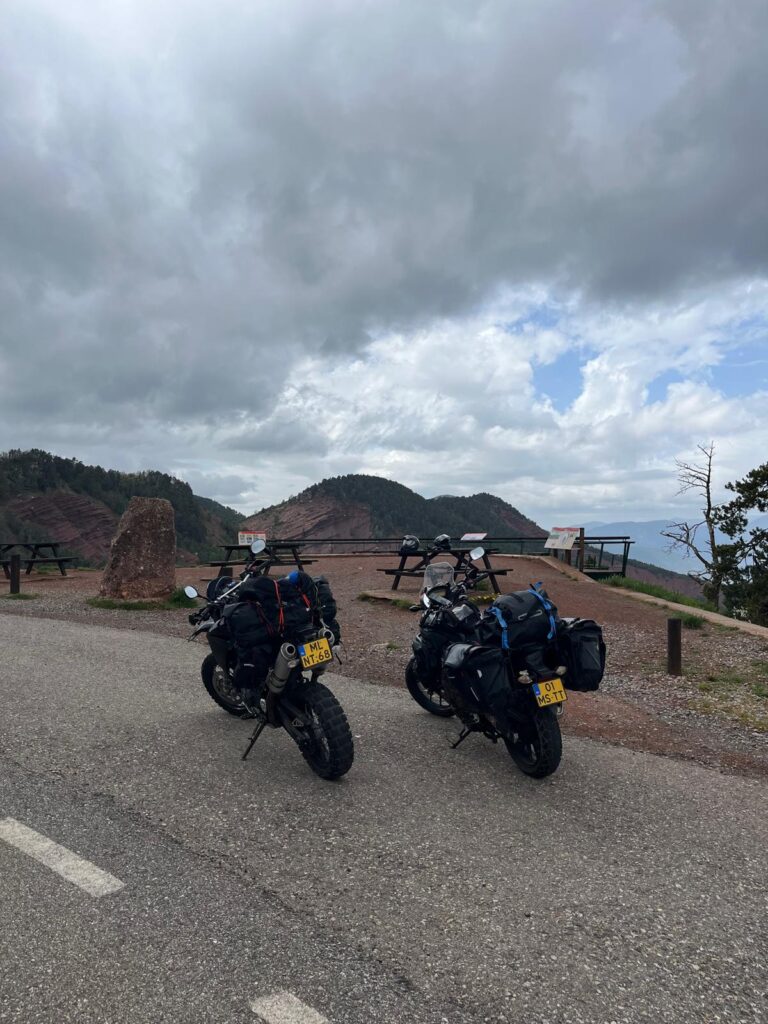
Soft Luggage
Soft bags are recommended for offroad riding because they are lighter, more flexible and safer during drops than hard panniers.
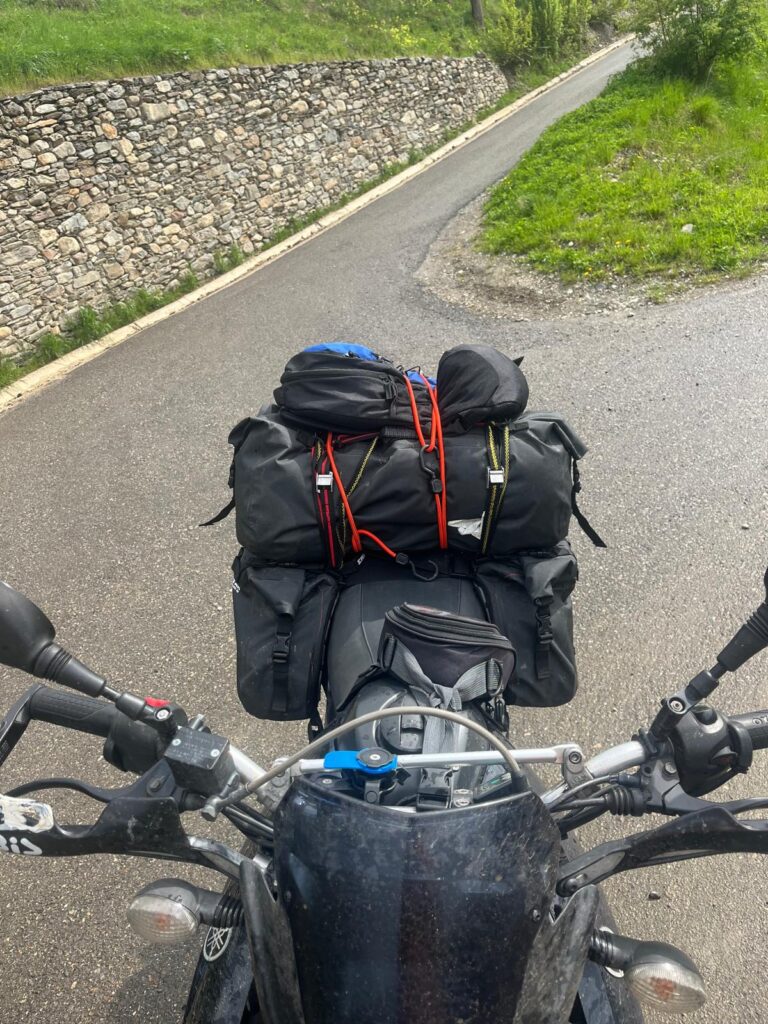
Weight Distribution
Keep heavy items low and close to the center of the motorcycle. Too much weight at the rear makes the bike harder to control.
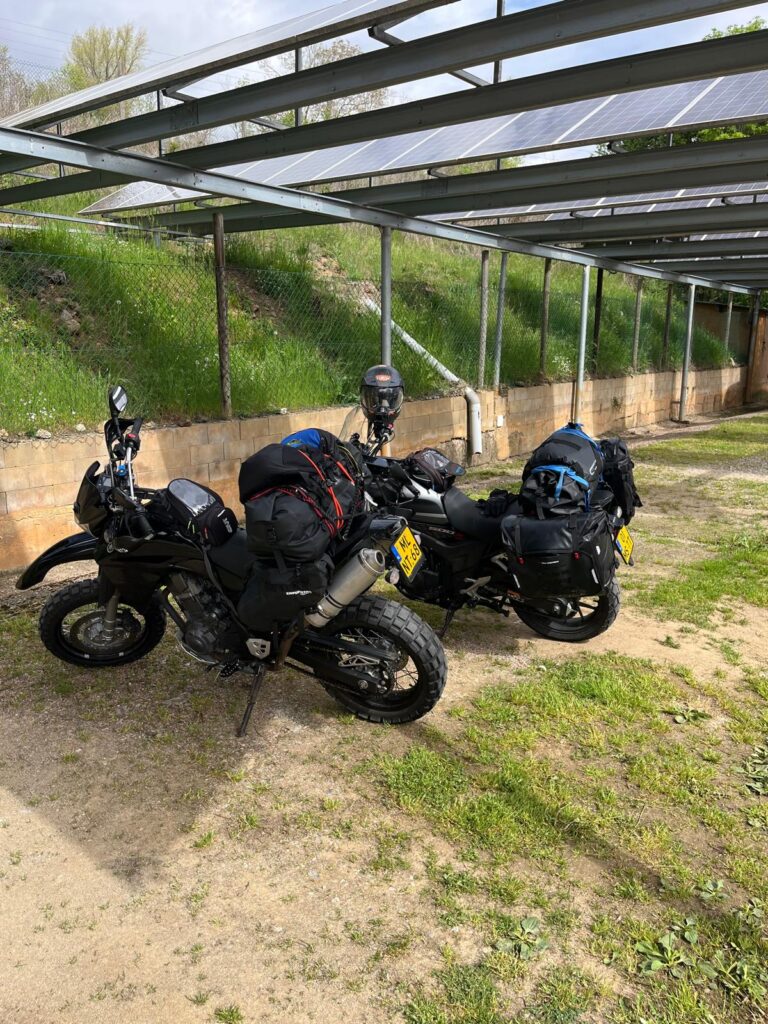
Quick Access Items
Keep essential items easy to reach, such as rain gear, water, snacks, tools, first aid kit or documents. Do not bury important gear at the bottom of the bags.
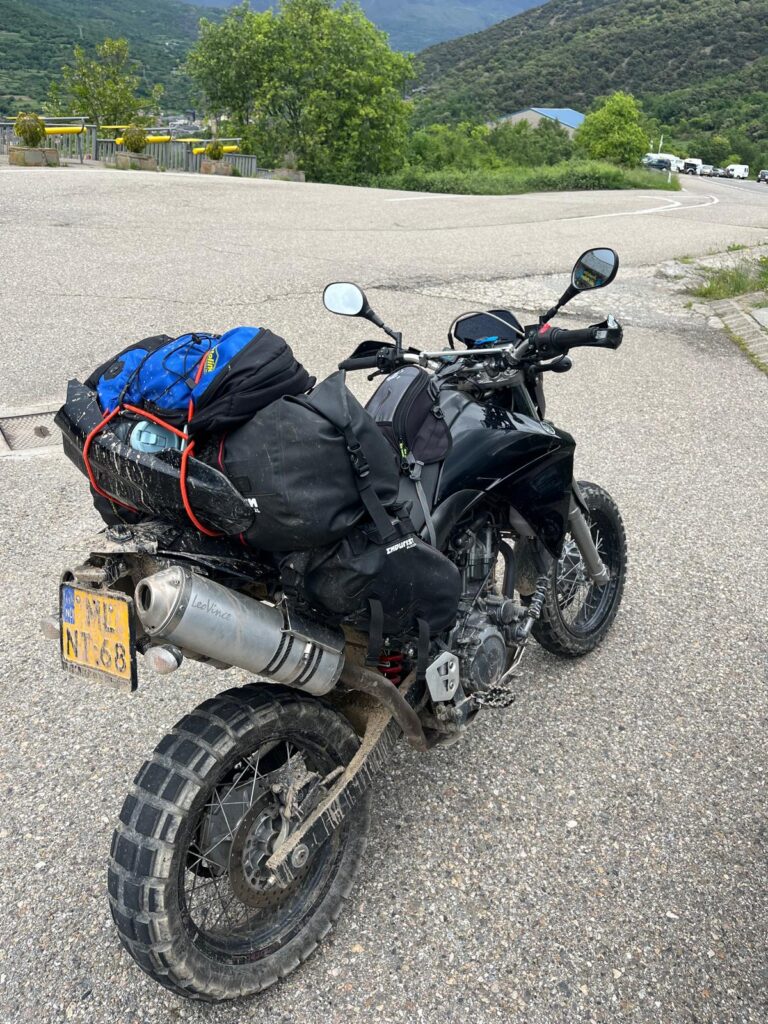
Secure Mounting
All bags must be mounted tightly and checked regularly. Loose luggage can shift, hit the wheel, damage plastics or affect balance.
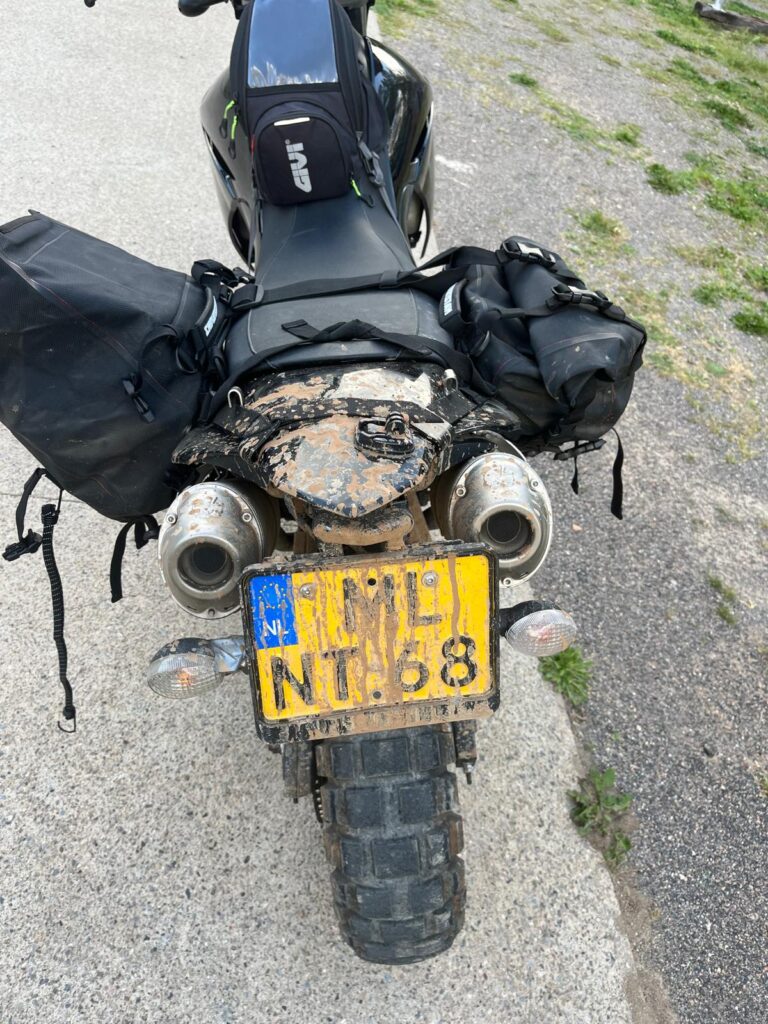
Waterproof Storage
Clothing, electronics and sleeping gear should stay dry. Use waterproof bags, dry bags or waterproof inner liners.
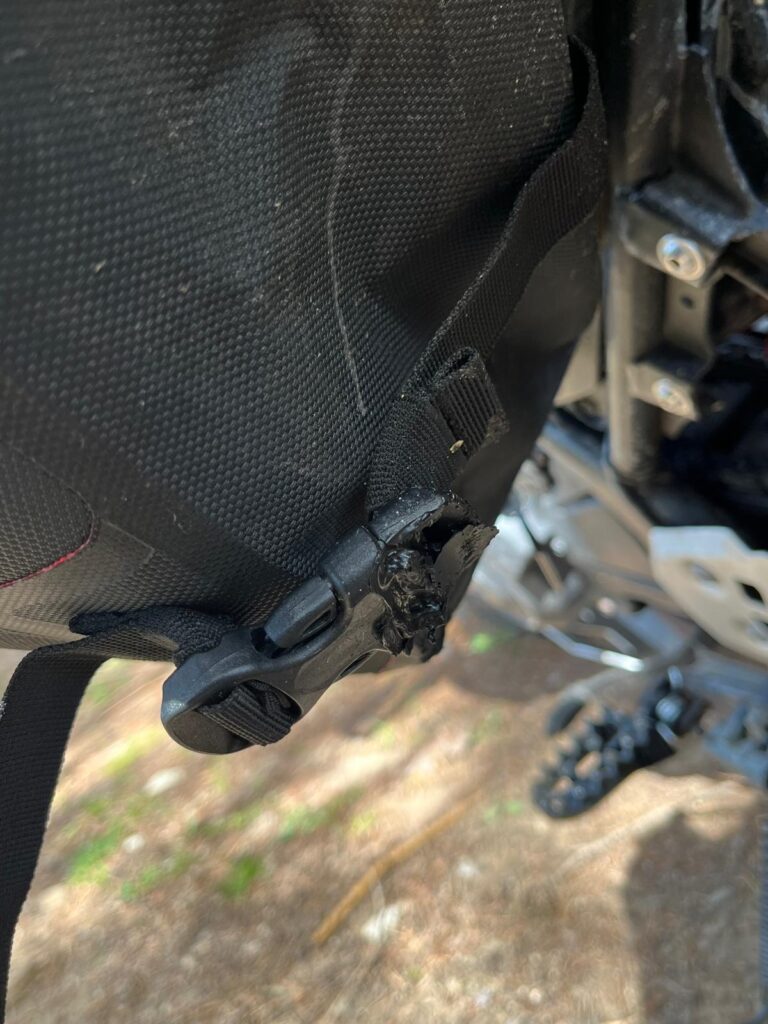
Heat Protection
If bags are mounted near the exhaust, use a heat shield. Soft luggage can melt or get damaged if it touches hot exhaust parts.
Packing for offroad riding
A good luggage setup should be compact, secure and functional. Offroad riding makes every unnecessary kilogram noticeable, especially on climbs, loose rocks and slow technical sections. Heavy items should be packed as low and as close to the center of the motorcycle as possible to keep the bike balanced and easier to control.
A top bag is useful for items that should not be damaged or crushed, such as camera gear, electronics or other fragile equipment. A tank bag can also be a real gamechanger for small essentials such as documents, quick water access, a powerbank, cables or items you need during the day without unpacking the motorcycle.
On the CB500X, small crash bar bags were used at the front of the bike to store essential items that needed quick access, including the first aid kit. This kind of setup keeps important gear available without opening the main luggage during bad weather, a break or a small trail-side issue.
The goal is to pack light, keep the motorcycle narrow and make sure every item has a clear function. Rain gear, basic repair items, documents, power and safety essentials should always be easy to reach.
Pre-Ride Gear Checklist
Checklist A, Mounting & Stability
- Soft luggage fitted
- Bags mounted securely
- Luggage straps tightened
- No loose straps near wheels or chain
- Weight balanced left and right
- Heavy items packed low
- Rear load kept within limitations
- Bags checked after rough sections
Checklist B, Protection & Access
- Waterproof storage used
- Dry bags packed
- Heat shield installed near exhaust (if necessary)
- Rain gear easy to reach
- Basic repair items accessible
- Documents protected
- Electronics protected in top bag
- Emergency items easy to reach
Prepare your expedition essentials next
After setting up your luggage, check the fuel, water, food and emergency items needed for remote riding sections.