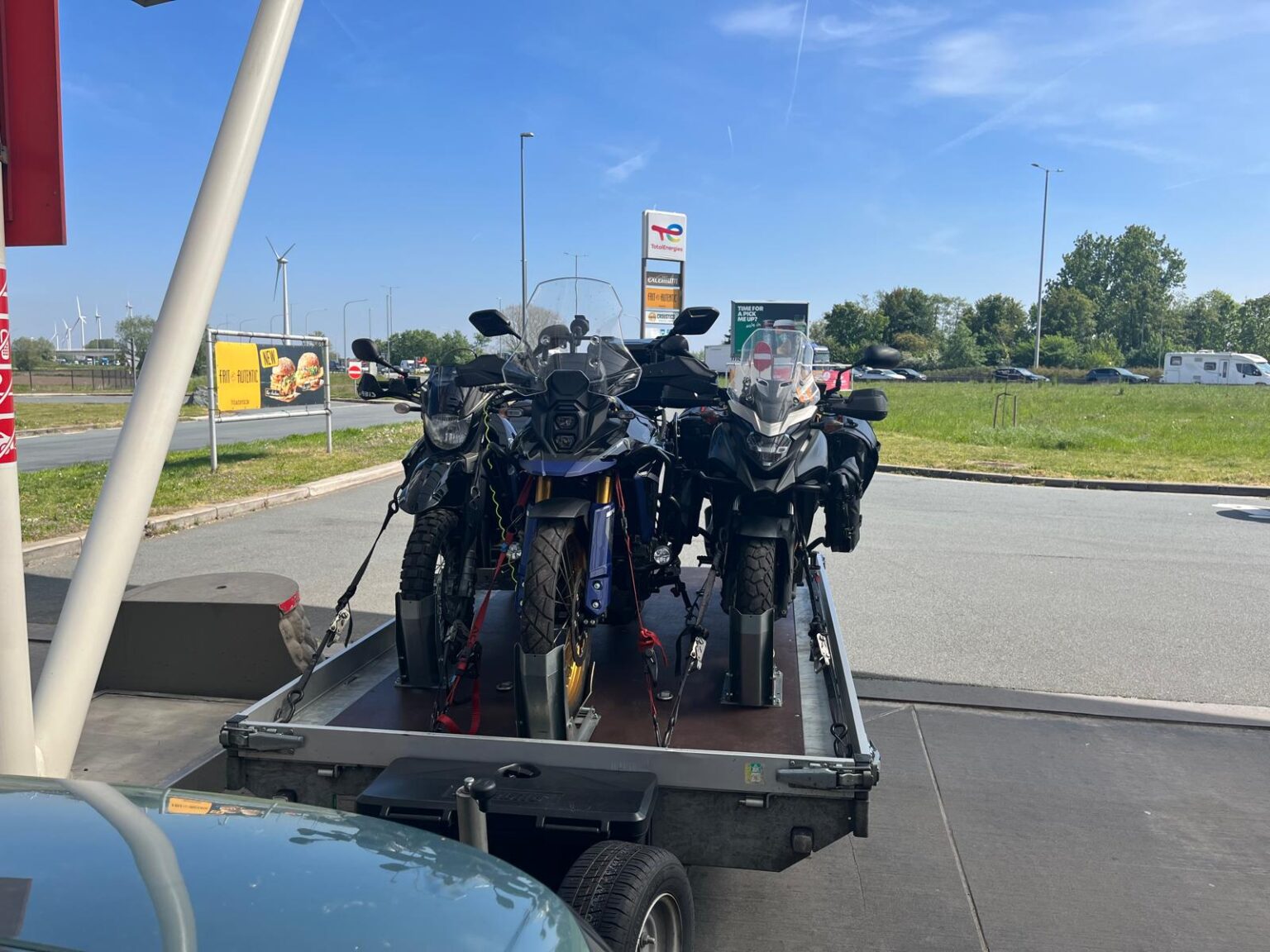
Fuel & Expedition Essentials
Remote mountain sections require fuel planning, water, food and basic emergency items before starting the PyrAscend route.
Plan for remote sections
The PyrAscend route includes mountain roads, gravel tracks and remote offroad sections where fuel stations, shops or help are not always nearby. Riders should not assume that they can solve everything at the next village.
Fuel, water, food and emergency essentials should be checked before each riding day. The goal is not to overload the motorcycle, but to carry enough critical items to stay safe and continue the route when conditions change.
The goal is not to carry a full workshop on the motorcycle, but to bring the essential tools and repair items needed to continue safely after common trail problems.
Good gear is not only about comfort. It affects safety, fatigue, focus and how well you can handle difficult terrain. Riders should prepare for both physical protection and weather changes before starting the route.
Key Expedition Essentials
The items below are the most important essentials for remote self-guided riding. They help riders manage fuel range, hydration, energy, safety and unexpected situations.
Fuel Range
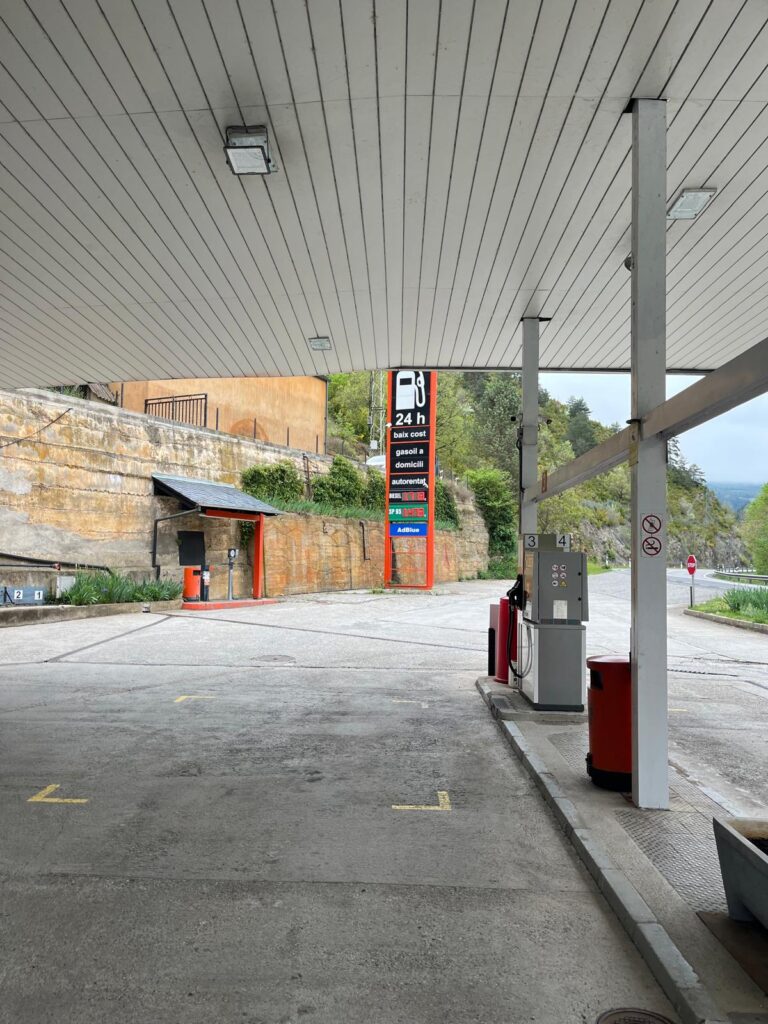
Check fuel range before every stage. Mountain riding and offroad terrain can increase fuel use, especially during climbs, slow sections and technical riding.
Food & Energy
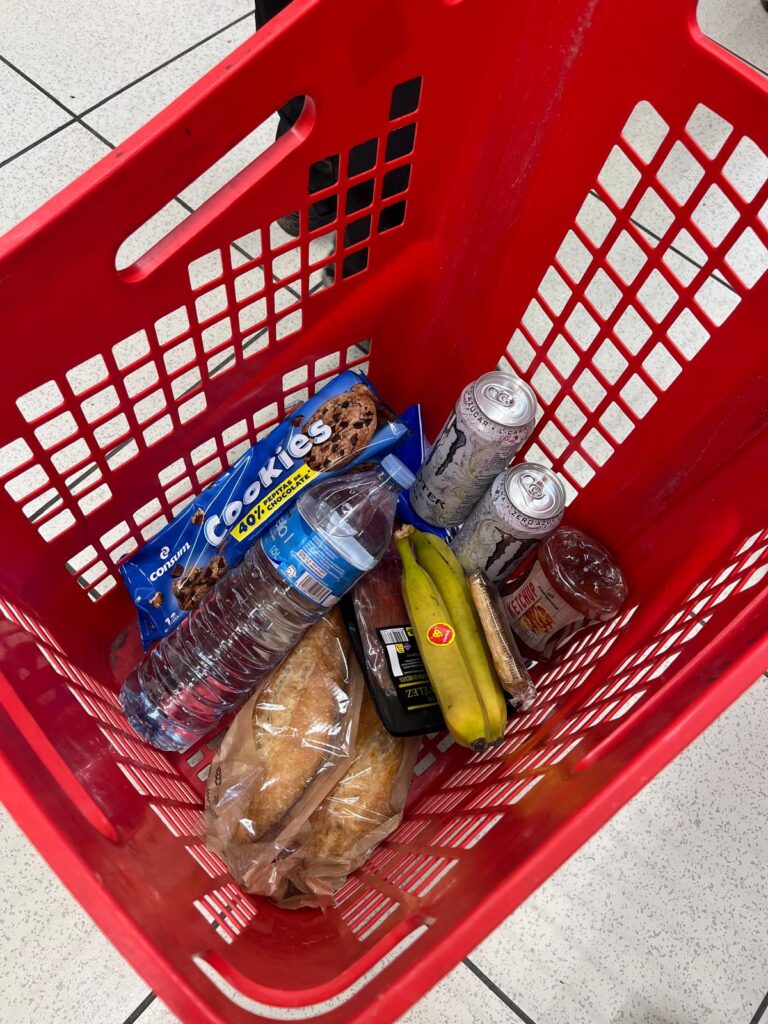
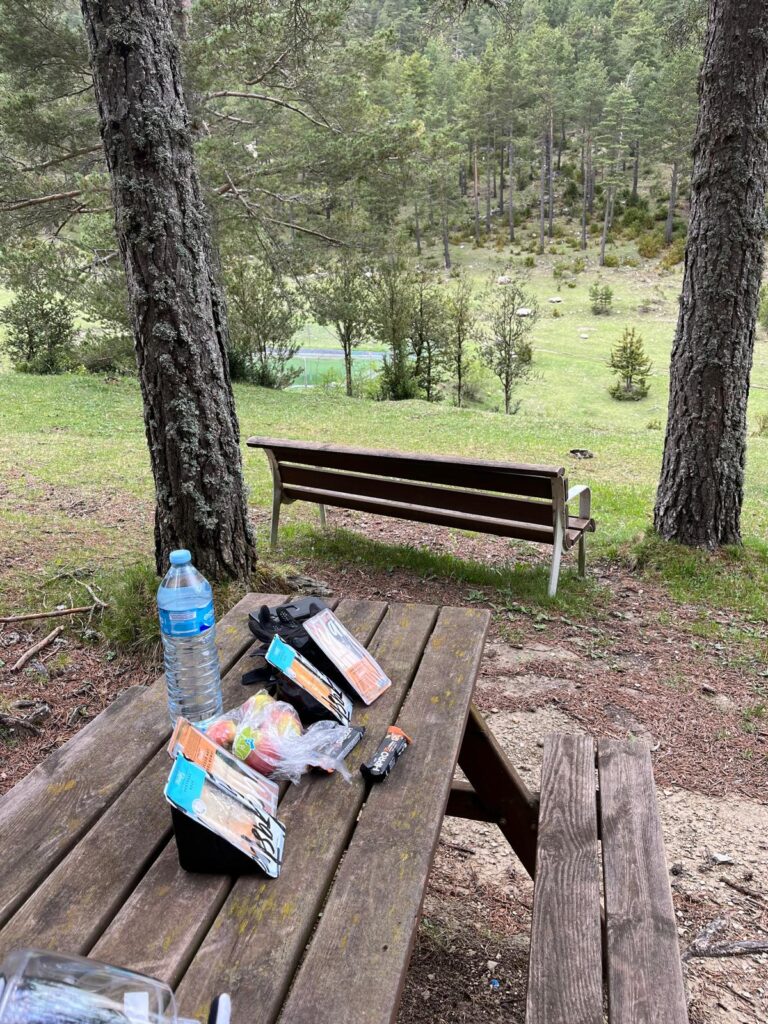
Pack simple food or snacks that are easy to reach during the day. Long offroad stages require energy, especially when riding technical sections or dealing with delays.
Communication
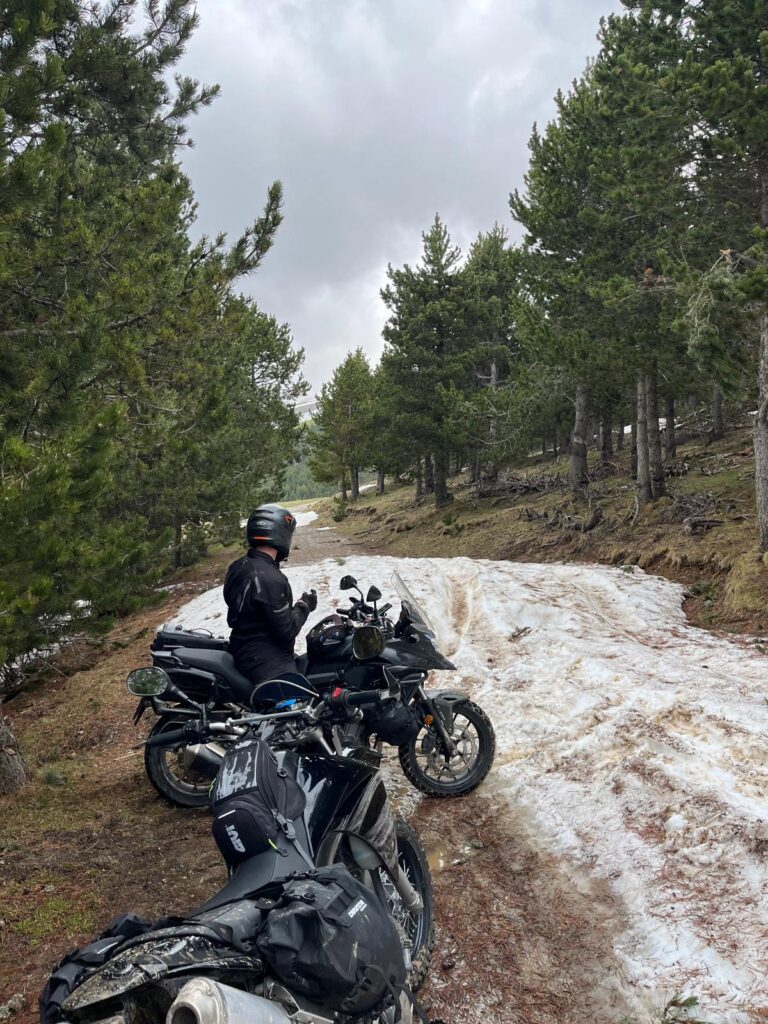
Mobile signal can be limited in remote mountain areas. Riders should plan ahead, share their route when possible and know where they are heading each day.
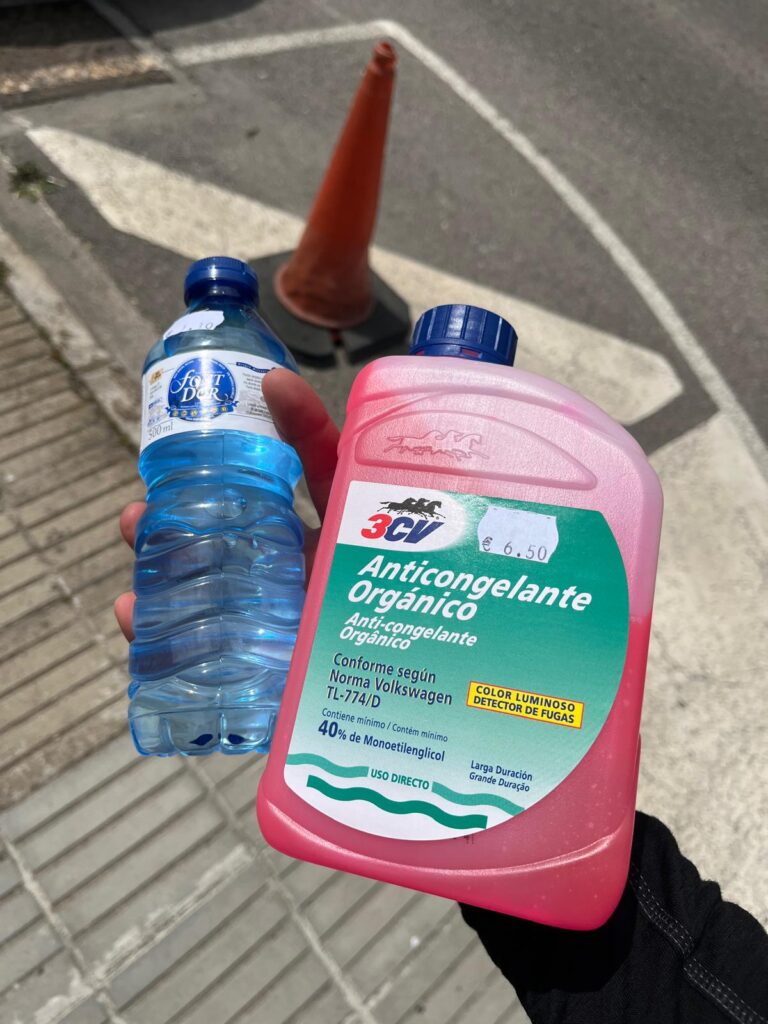
Water Supply
Carry enough water for riding, breaks and emergency situations. Water can also be used as a temporary cooling system refill after a leak.
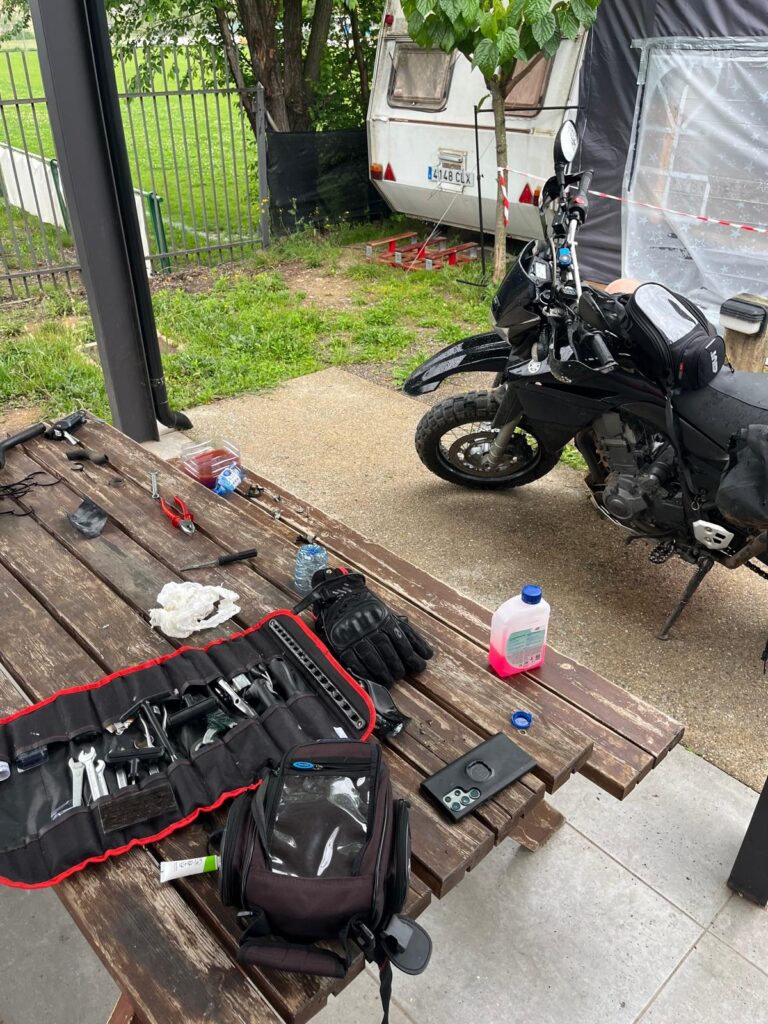
Emergency Items
Small emergency items can make a major difference. A first aid kit, emergency blanket and basic safety items should always be part of the setup.
Cash & Local Access
Carrying some cash is always useful during a remote trip. If your phone dies, your card stops working or you lose access to digital payments, cash can still solve basic problems.
Fuel planning matters
Fuel stops should be checked before starting each day. A route may look manageable on the map, but detours, wrong turns, closed sections or technical terrain can increase distance and fuel use.
Adventure bikes often use more fuel offroad than on normal roads. Standing riding, climbs, low-speed sections and luggage weight can all affect consumption. Riders should start each day with enough fuel and avoid pushing the range too close to empty.
Fuel & Expedition Checklist
Checklist A, Fuel & Hydration
- Fuel tank filled
- Nearest fuel stops checked
- Extra fuel considered if needed
- Water supply packed
- Hydration system filled
- Fuel range checked
- Emergency water available
- Cooling refill water considered
Checklist B, Food & Safety Essentials
- Energy bars or snacks packed
- Lunch or backup food available
- First aid kit packed
- Emergency blanket packed
- Phone charged
- Route shared with someone
- Cash carried
- ID and insurance documents accessible
Prepare Before You Ride
After checking fuel, water, food and emergency essentials, review the full route overview before starting the expedition.